Launceston Tasmania

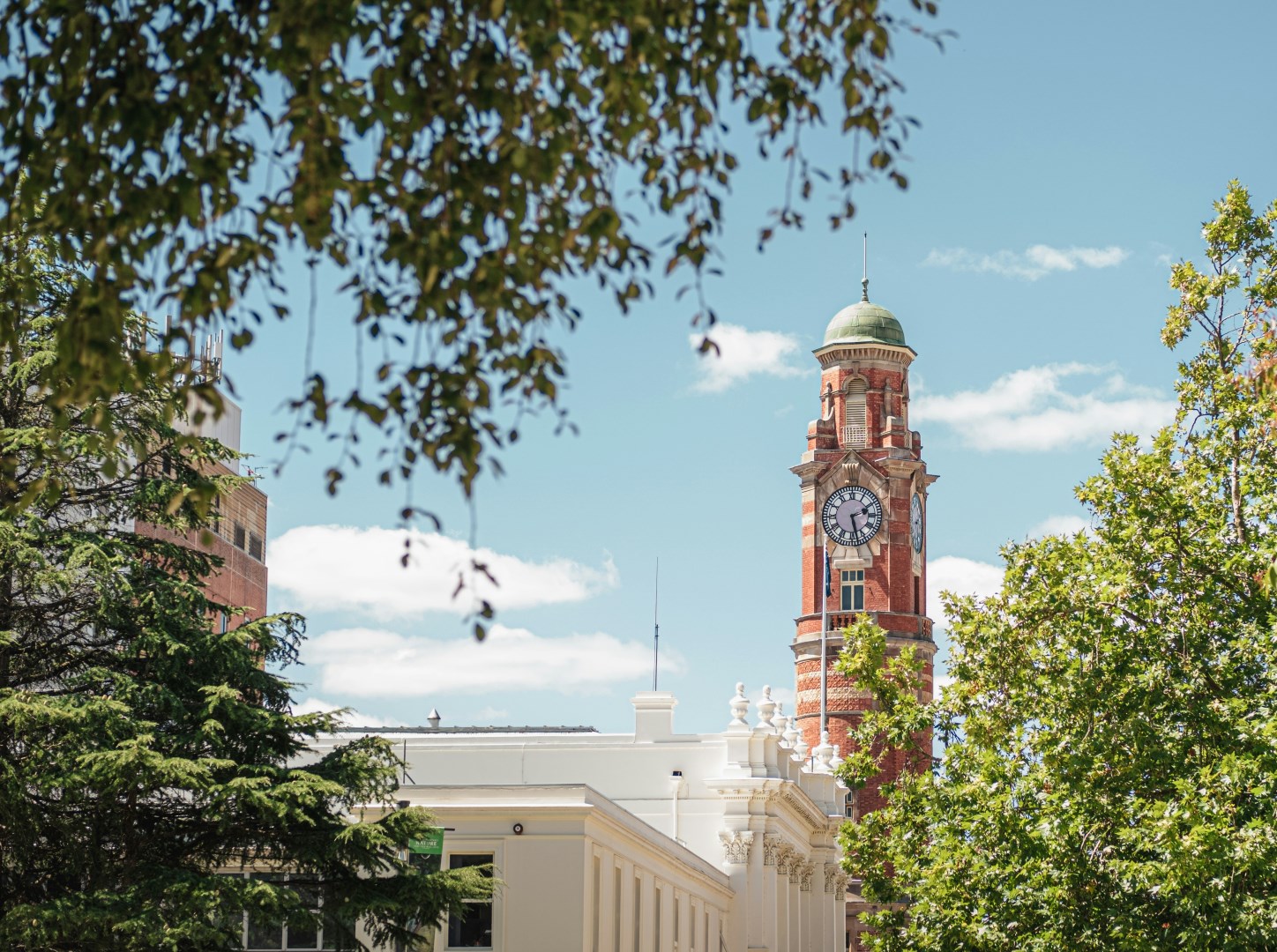

Launceston is a city in northern Tasmania, Australia, positioned where the Tamar, North Esk, and South Esk rivers meet. It serves as one of the island’s main urban centers and is known for its well-preserved streetscapes, public parks, and proximity to agricultural regions. The city has a structured layout with wide streets and historic buildings, giving it a defined sense of place. Its location makes it a gateway to northern Tasmania, linking inland farming areas with coastal destinations along the Bass Strait.
The culture of Launceston reflects a blend of colonial heritage and contemporary regional life. Historic buildings, including churches and civic halls, remain central to the city’s identity and are still in active use. Local events often focus on food, seasonal produce, and community gatherings, while galleries and small museums highlight Tasmanian art and history. The city is also associated with craft industries and education, with institutions that support both traditional skills and modern creative work.
One of Launceston’s most notable natural features is Cataract Gorge, located just minutes from the city center. This reserve includes walking trails, a public swimming basin, and a chairlift that crosses the South Esk River. The Tamar Valley extends north from the city, known for vineyards and river views, while nearby reserves and parks provide access to bushland and wildlife. The combination of urban space and easily reachable natural areas gives Launceston a varied landscape within a compact distance.
Food in Launceston is shaped by the surrounding farmland, with local produce playing a central role in restaurants and markets. The region is known for dairy products, cool-climate wines, and fresh vegetables, often featured in seasonal menus. The Harvest Market, held regularly in the city, connects local growers with residents and visitors. A lesser-known aspect of Launceston is its early adoption of hydroelectric power in Australia, which influenced its development and remains part of its historical identity.